6+
New clinic adoptions
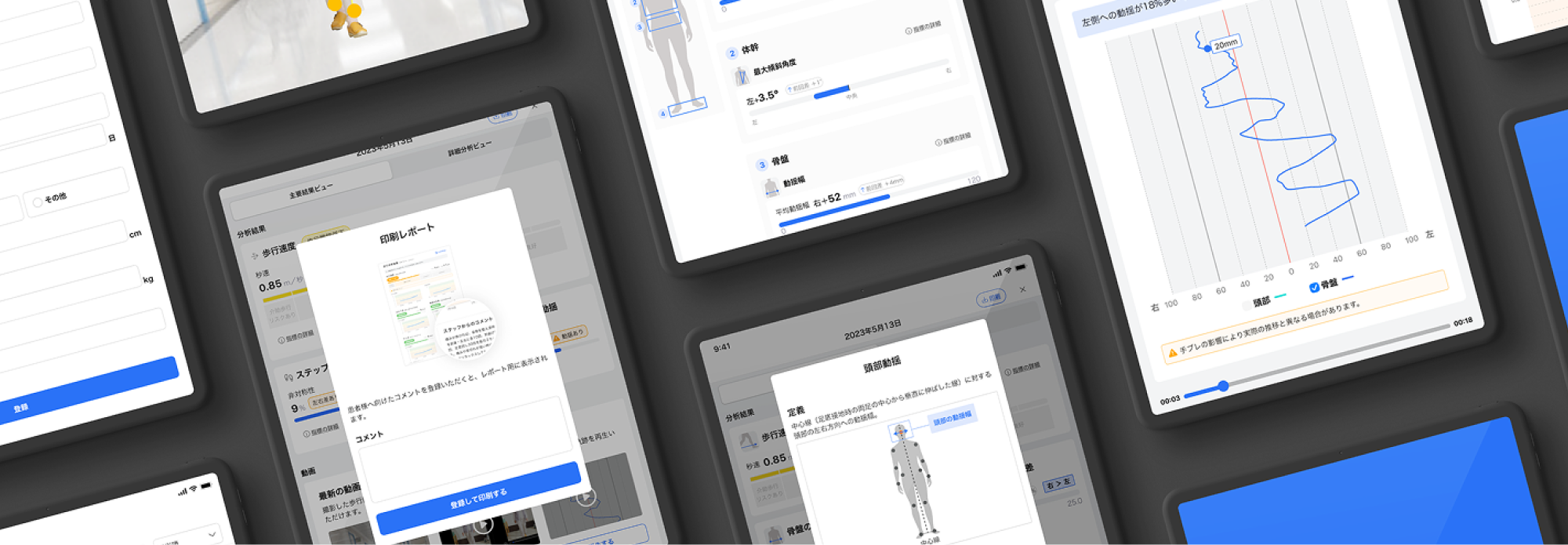
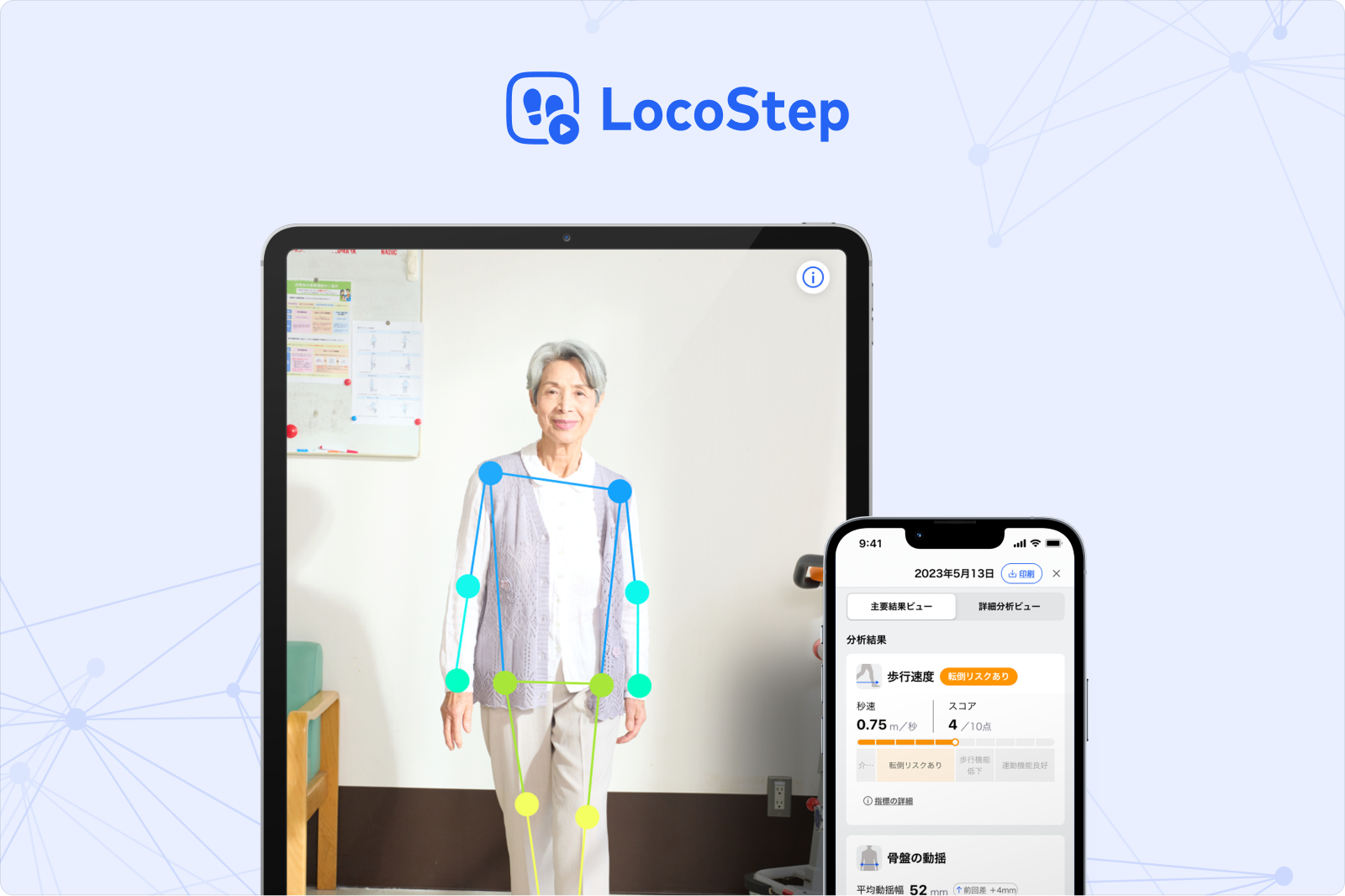
A UX/UI redesign project for the healthcare AI app LocoStep, a gait analysis application for orthopedic clinics. The iOS app allows physical therapists to record patients’ walking videos and use AI to assess gait function. Although the service offered clear business value through insurance reimbursement eligibility, sales opportunities repeatedly stalled at the proposal stage.
Through research, I identified two key issues behind this stalled sales momentum: low clinical usability in the results experience, and lack of trust due to insufficient medical evidence. In response, I shifted the concept of the results screen from a score-based model to one centered on measurement-based outputs supported by medical evidence, while also expanding the range of metrics shown. This redesign transformed the experience into one that supports more comprehensive whole-body evaluation. The shift contributed not only to business results, but also to long-term strategic direction and a stronger foundation of trust.


This product was originally co-developed with a pharmaceutical company before being transferred to its current organization. With KPIs consistently unmet, it had become clear that incremental feature improvements were no longer sufficient — a fundamental rethinking of the product concept was needed.
Working with the PdM and sales team to identify the root causes of stalled deals, I framed two hypotheses for the product team to prioritize:


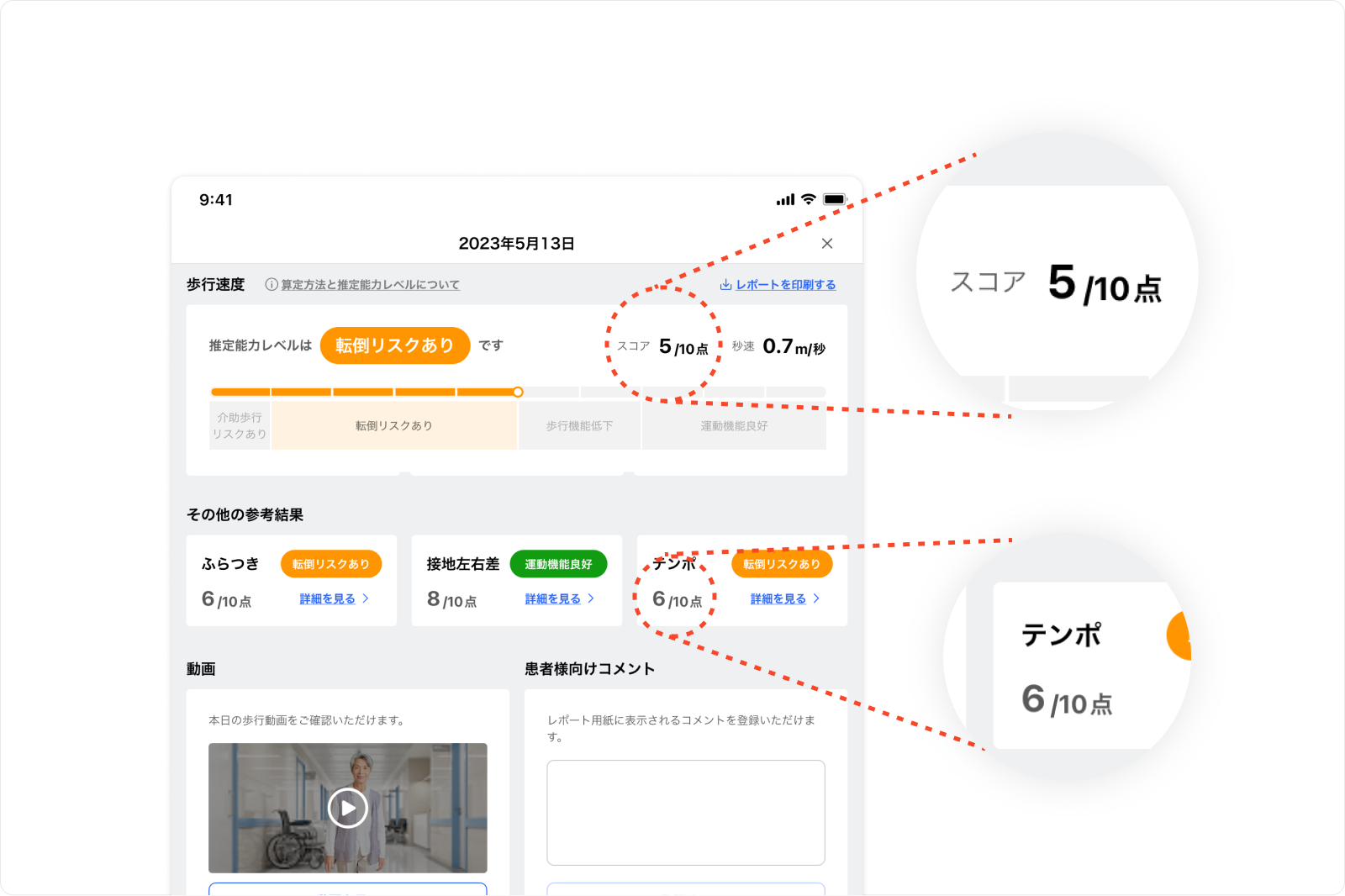
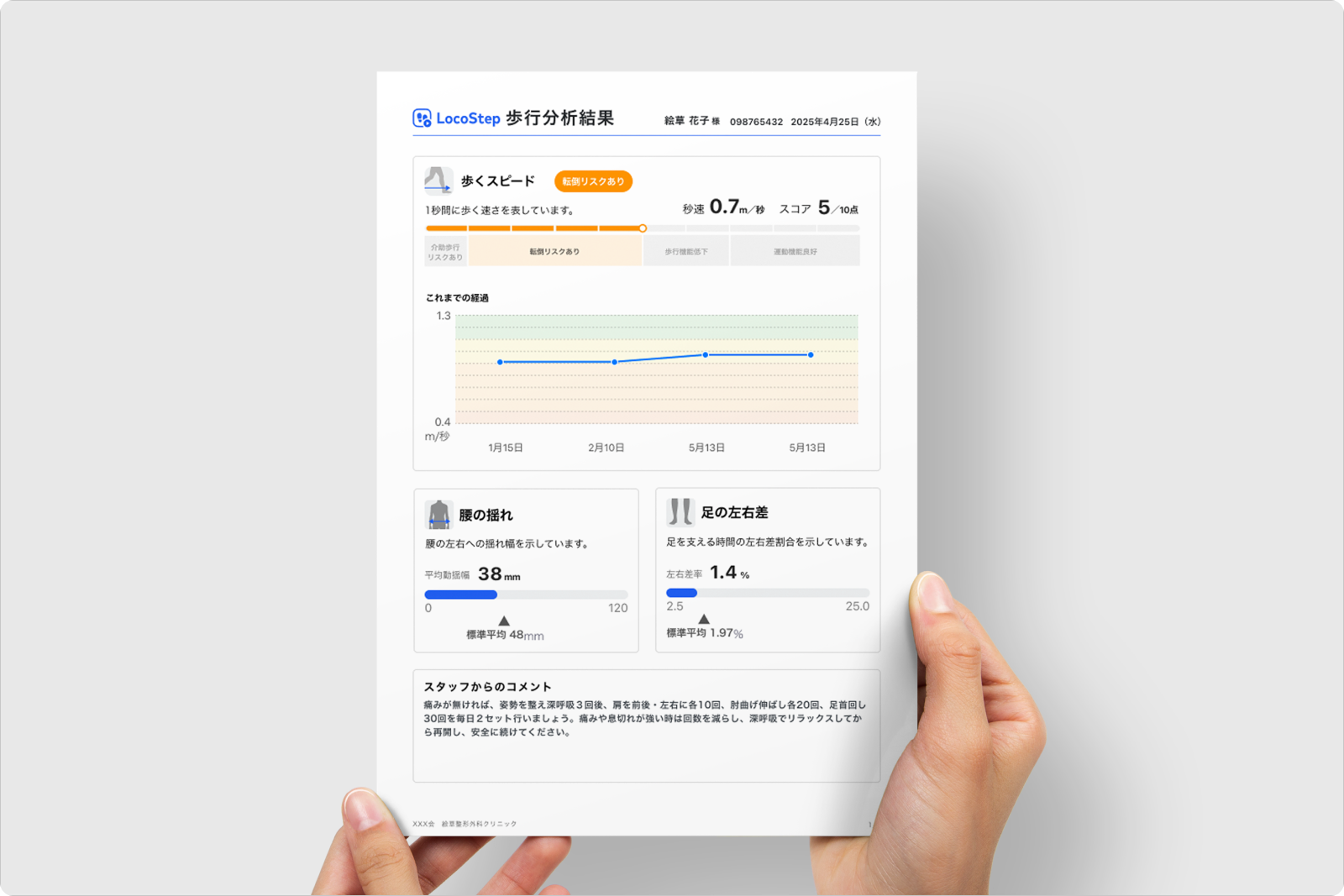
The previous results screen centered on four score-based metrics — walking speed, left-right asymmetry, body sway, and rhythm. While simple and easy to understand, it lacked the depth of expertise, explainability, and clinical credibility needed for hospital use and adoption decisions.
Physical therapists found it difficult to explain why a particular score was generated, and the level of confidence in the scores varied among practitioners. This made it hard to support the trust needed for patient communication and internal adoption discussions.

The core business challenge was not visual clarity — it was that the results experience wasn't being used, referenced, or trusted in the field.
The primary challenge was redesigning the results experience in a way that strengthened medical credibility, while working within a strict constraint: the product could not appear to provide diagnostic outputs.
The existing score-based display was simple and easy to communicate to patients. However, because the AI was outputting pre-interpreted scores, physical therapists and physicians found it difficult to understand how scores were calculated or what they were being compared against — making it harder to use as a basis for clinical judgment.
At the same time, shifting to measurement-based outputs introduced its own set of challenges:
Numerical values are not intuitively interpretable without context
Physical therapists would need to apply their own clinical reasoning to interpret results
Users satisfied with the existing scores might face increased burden when explaining results to patients
More information risks making the results experience harder to navigate
The product is classified as Class I medical device, which means it cannot provide diagnostic conclusions as a service. Any design approach needed to reinforce medical evidence and trust without guiding users toward diagnostic-style interpretations.
This project required meeting the following criteria:


I worked with the PdM to propose a redefinition of the results concept and drive hypothesis validation. Through user interviews, segmentation, and direction-setting, we revisited the core value of the product.

Research into the trade-offs and product value of moving from scores to raw measurements

Evaluating which additional metrics to include, with consideration for technical feasibility

Identifying evidence that would resonate with physical therapists and physicians, assessed against the product's overall value proposition
I conducted 10+ interviews with physical therapists (primary users) and physicians (decision-makers) to validate the core concept.
To accelerate the validation process, I worked with the PdM to align on hypotheses and implemented two approaches:

Designed a reusable interview template for Sales, PdM, and Design. The goal was to ensure consistent depth of insight regardless of who conducted the interview.

Used generative AI to quickly produce multiple prototypes, enabling short validation cycles to test concept acceptance.
Through 6–7 interviews and prototype testing with physical therapists, I identified key gaps in the existing results experience and clarified the direction for improvement.
Interviews with physical therapists revealed distinct segments in how practitioners expected to use LocoStep and what value they were looking for. This informed the decision that a shift to measurement-based outputs alone would not be sufficient.
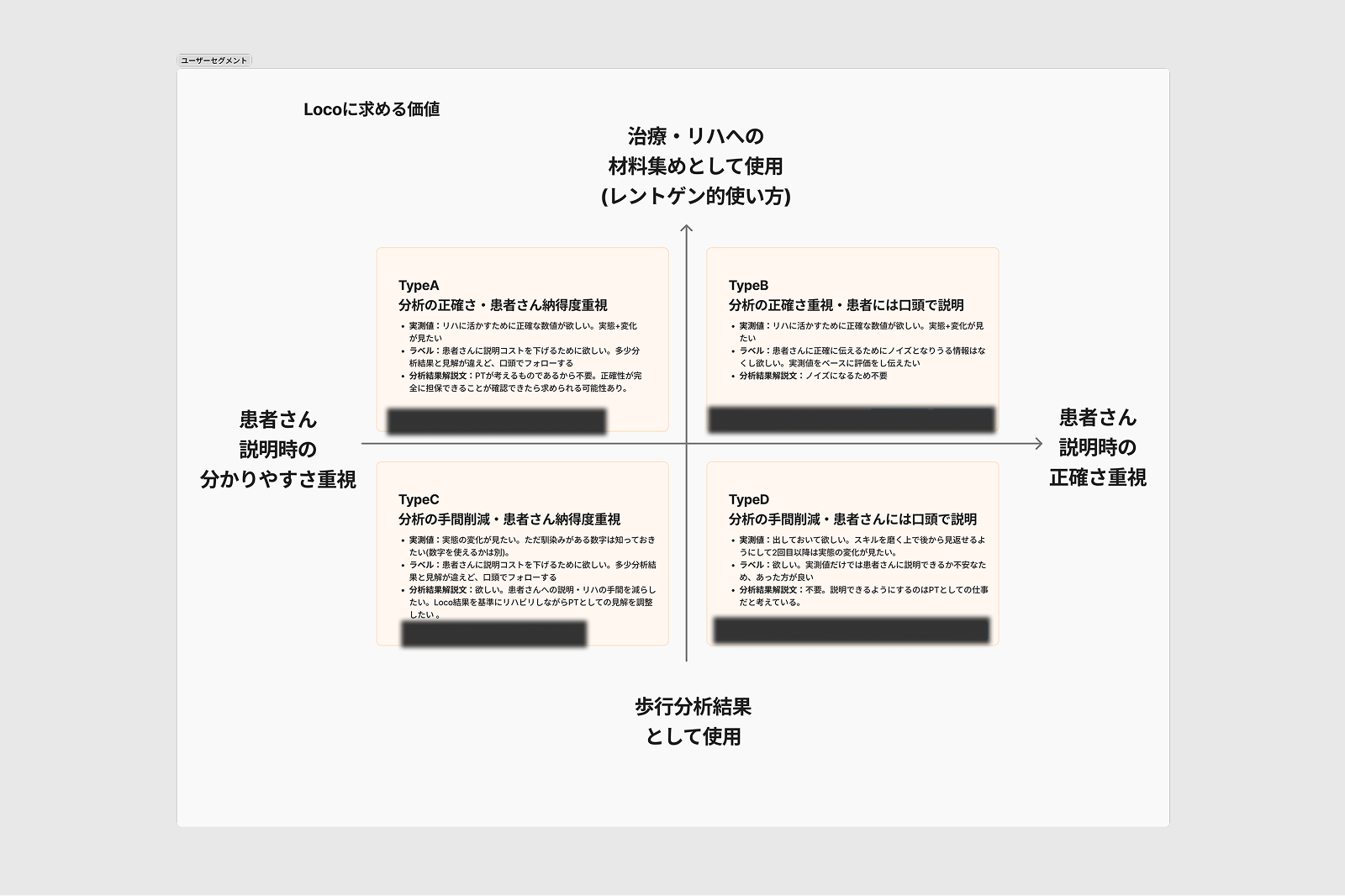
The redesign also needed to expand the range of metrics for comprehensive assessment and allow users to adjust the depth of information based on their context of use.
The central design challenge was balancing three competing needs:
・Supporting physical therapists' clinical reasoning through detailed numerical data
・Keeping results easy to explain to patients within limited rehabilitation time
・Maintaining a level of trust and credibility without crossing into diagnostic territory
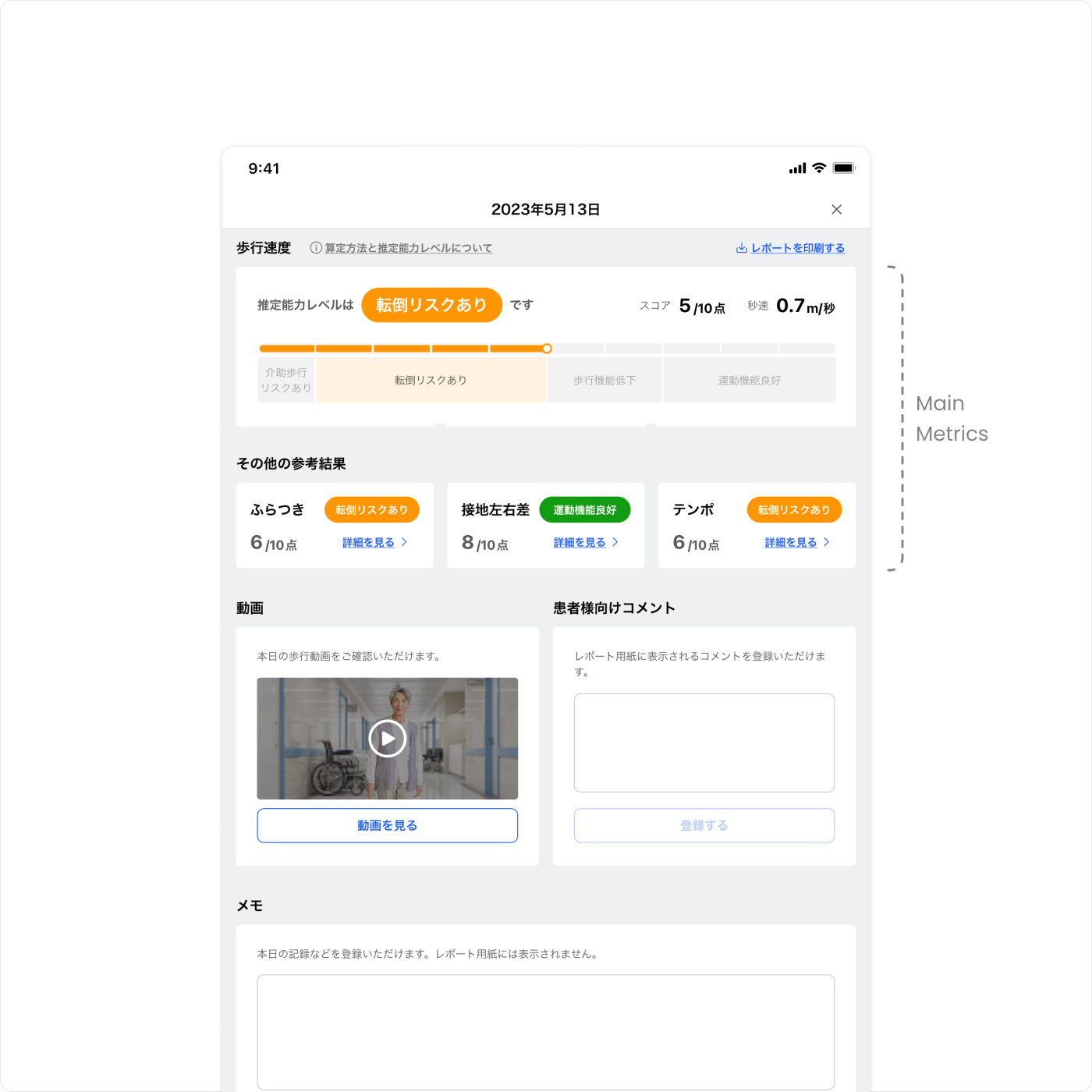
For metric expansion, I worked with the PdM and ML engineers to review medical evidence and define the direction of the results experience.
↓
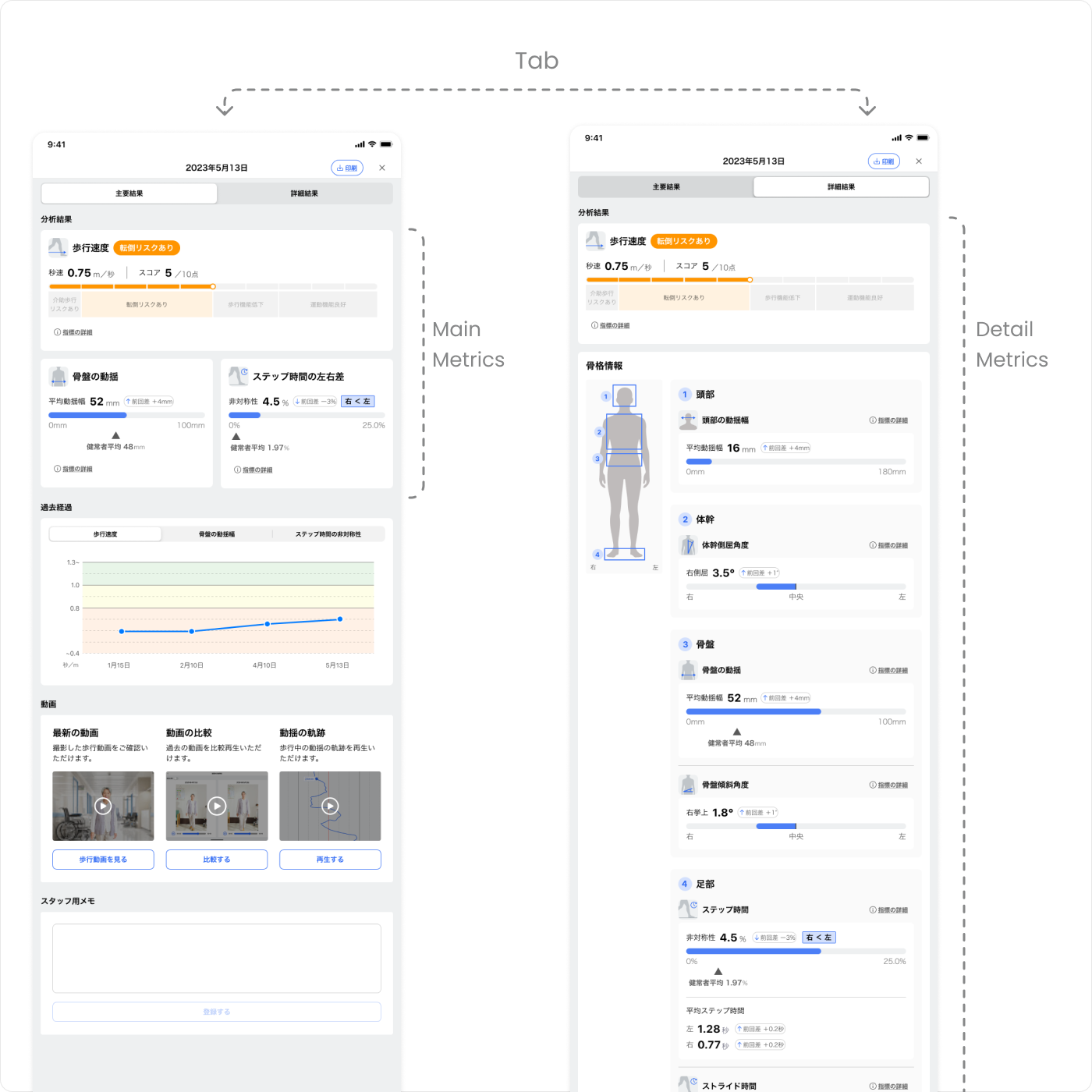
Throughout this process, the focus was not on visual polish, but on identifying the right information, in the right order, to help users understand, explain, and make decisions. Each direction was refined through user interviews.
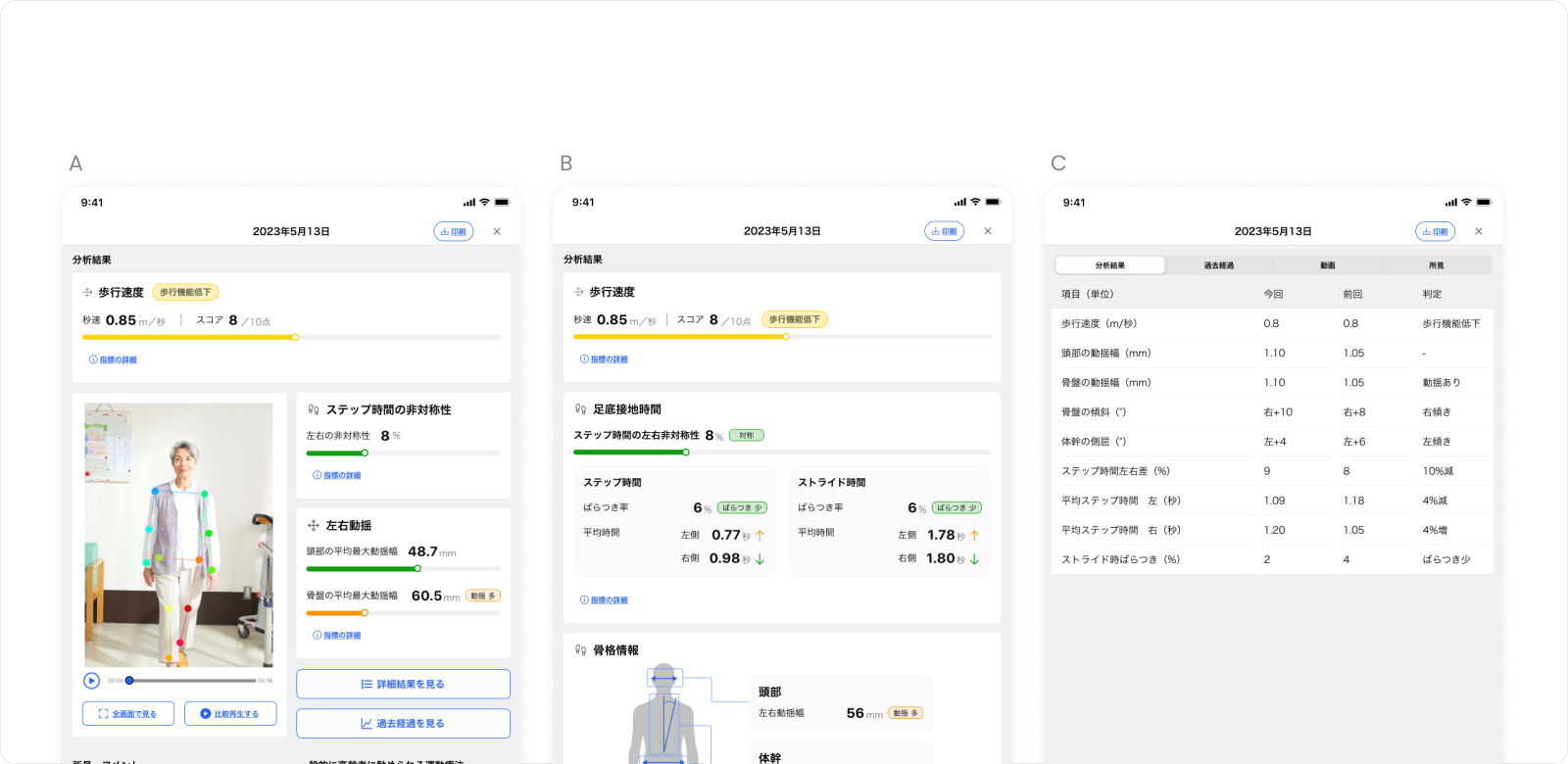
A案
B案
C案
View showing results alongside video playback
View showing all metrics at once
View modeled after an electronic medical record format
Feedback: Too many functions; difficult to use in clinical settings
Feedback: Poor scannability; made it harder to explain results to patients
Feedback: High cognitive load for less-experienced physical therapists when interpreting results
Expanding the number of metrics raised clinical depth, but also increased information density — which in turn raised the burden of interpretation. The solution was to add supporting context (e.g., average value comparisons) and introduce a tab structure to allow users to adjust the level of detail based on their situation.
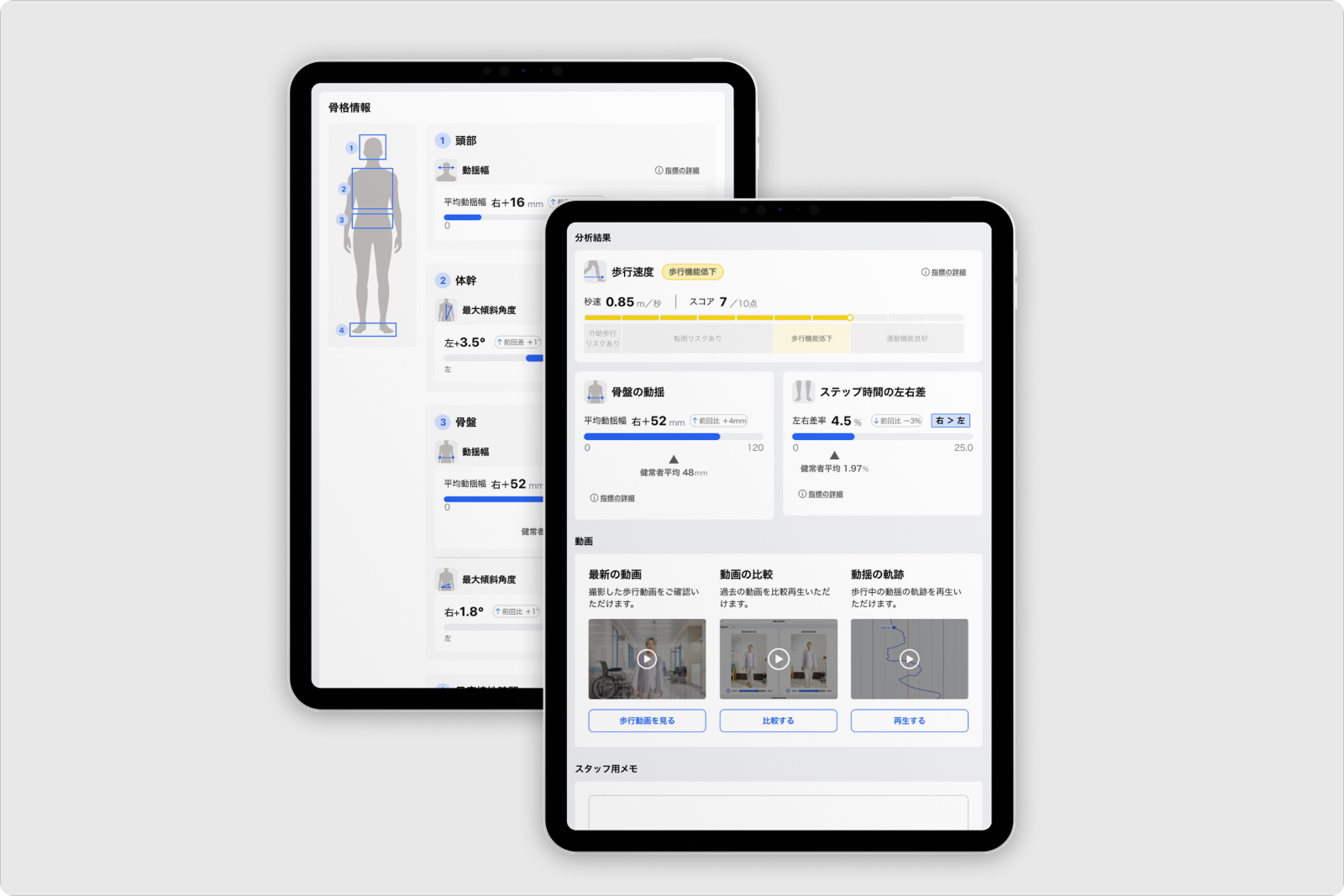
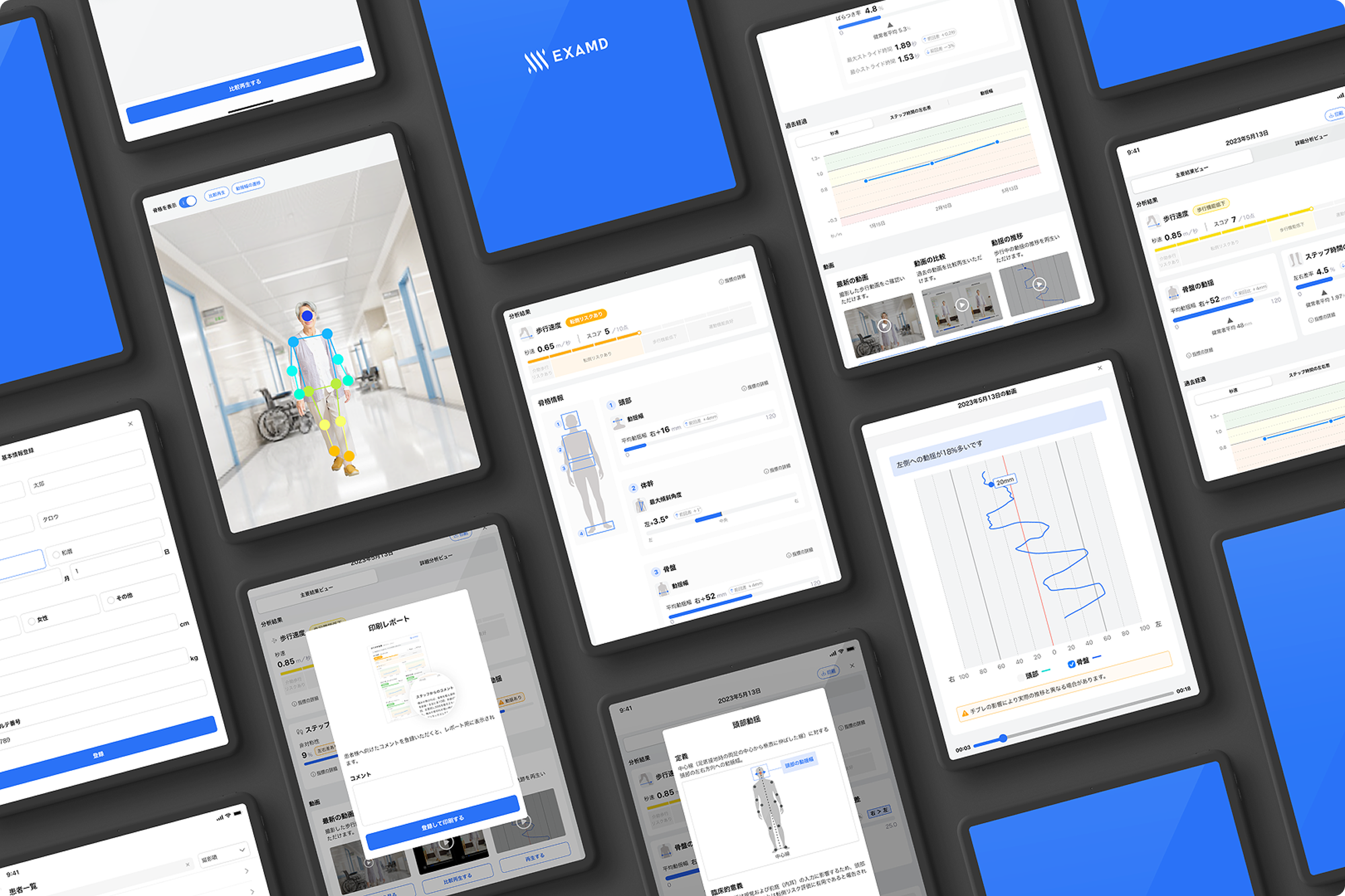
To align user needs, technical constraints, medical validity, and implementation feasibility, I worked closely with multiple stakeholders — facilitating perspective-sharing and helping to define and drive the product direction.
The redesign contributed to improvements in both near-term adoption and sales momentum, as well as longer-term credibility-building.
The key insight from this project was that adding more information does not solve a trust problem.Early in the process, I was thinking in terms of adding more metrics or improving accuracy.
The real breakthrough, however, came when I reframed the question.
Not "what data should we show?" but "in what order does a physician actually make decisions?"
The underlying data didn't change. What changed was the structure around it.
By distinguishing between "what data exists" and "what decisions that data needs to support" — and designing the information architecture around the latter — I learned that it's possible to meaningfully improve usability and address the problem at its root.
There is ongoing need to deepen user understanding across different patient conditions and clinical specialties, in order to refine how the product is used and what metrics matter most in each context.I also want to further improve the overall results experience by better integrating the video playback feature with the results view.
